Blog
Showing Entries with tag "Nature"
Entry Tags (44 found)
Arboriculture Biomechanics Buckeye Yard and Garden Line Business Cincinnati Cincinnati Tristate Client Communications Consulting Deep planting Drought Ecology Emerald Ash Borer Environment Events Garden Professors Blog Garden Rant Blog General Global warming and climate change Horticulture In The Garden With Ron Wilson Indiana Inspirational Invasives Kentucky Kentucky Pest News Local Horticulture Native Plants Nature Ohio Phenology Plant Health Care Pollinators and Bees Pruning Recommended trees, shrubs, and plants Ron Wilson Online Root flares Safety Spotted Lanternfly Sustainability Tree Health Tree planting Tree Preservation Tree Risk Assessment Weather Related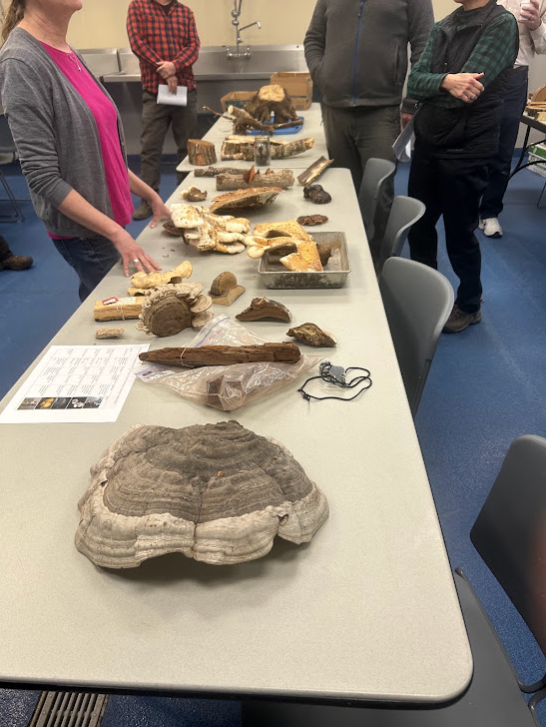
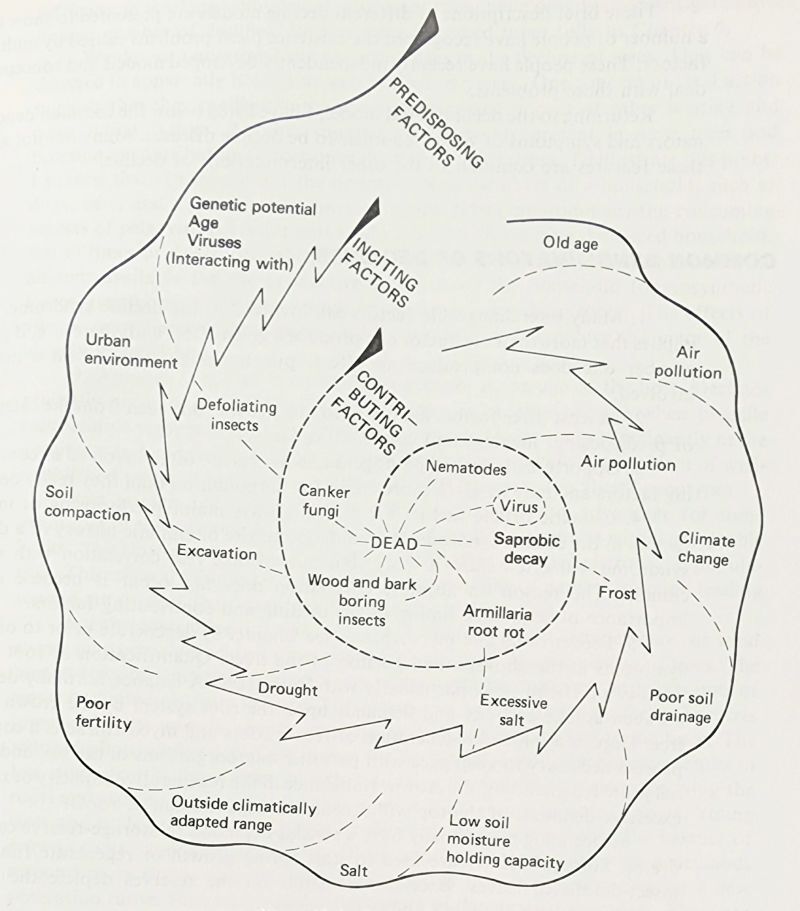
When fungi are seen fruiting on tree trunks, branches and twigs, they are often automatically thought to be causing disease. Likewise, the hollowing of dead woody tissue in the centre of trunks is oft...
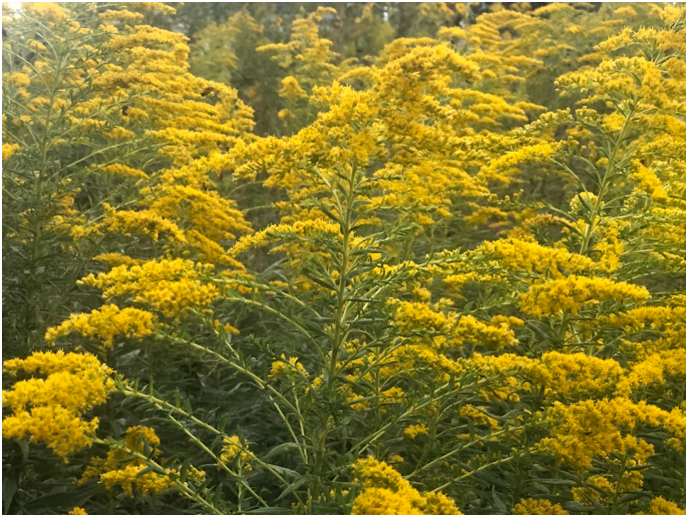
Goldenrod: A Case of Mistaken Identity
The aggressive but beautiful Canada goldenrod.
We are getting into that goldenrod time of year. During my recent trip to that state up north, goldenrod was in its full glory on Mackinac Island and th...
Grass-Carrying Wasps Moving In?

Mimosa Webworms on Honeylocust


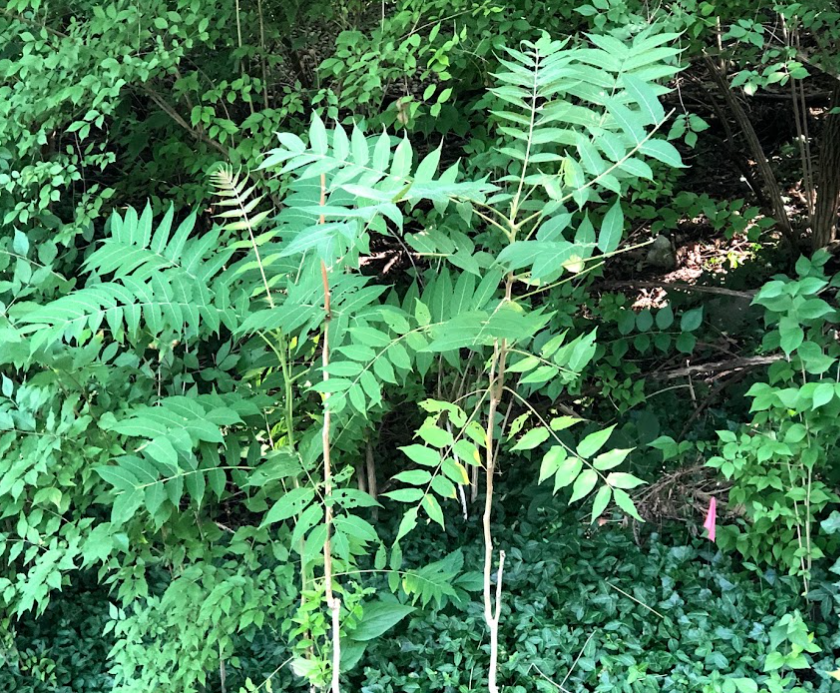
A practical, targeted approach for concentrating and reducing spotted lanternfly populations in the landscape
Spotted lanternfly, Lycorma delicatula, continues to expand through Ohio and other easter...
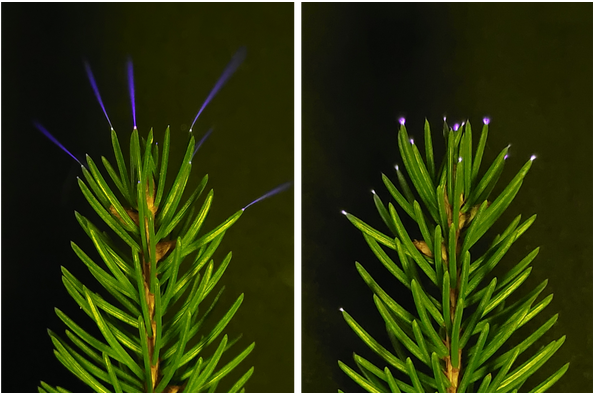
The weak electric discharges may set off ultraviolet sparkles over large swaths of forest under storms, potentially impacting canopy health.
Nearly 200-year-old Tri-State tree could be threatened by nearby highway project. Arbor Doctor called in
Residents of a small town in Clinton County are uniting to protect a historic tree after hearing it may be threatened by a nearby highway project. (WKRC). Certified master arborist Ron Rothaas of the ...