
Blog
Showing Entries with tag "Tree Health"
Close
Entry Tags (43 found)
Arboriculture Biomechanics Buckeye Yard and Garden Line Business Cincinnati Cincinnati Tristate Client Communications Consulting Deep planting Drought Emerald Ash Borer Environment Events Garden Professors Blog Garden Rant Blog General Global warming and climate change Horticulture In The Garden With Ron Wilson Indiana Inspirational Invasives Kentucky Kentucky Pest News Local Horticulture Native Plants Nature Ohio Phenology Plant Health Care Pollinators and Bees Pruning Recommended trees, shrubs, and plants Ron Wilson Online Root flares Safety Spotted Lanternfly Sustainability Tree Health Tree planting Tree Preservation Tree Risk Assessment Weather Related
I joined yardboy Ron Wilson on Saturday morning, April 19, 2025 at 7:33 to talk gardening, trees, weather, Easter, and who knows what? The podcast can be found at this link:
https://www.iheart.com/po...
Arborvitaes. Why are some dying?
APR 8, 2025

Arborvitae is a plant that is widely used as an evergreen hedge or screen. Some are suffering or completely dead. What can be done?
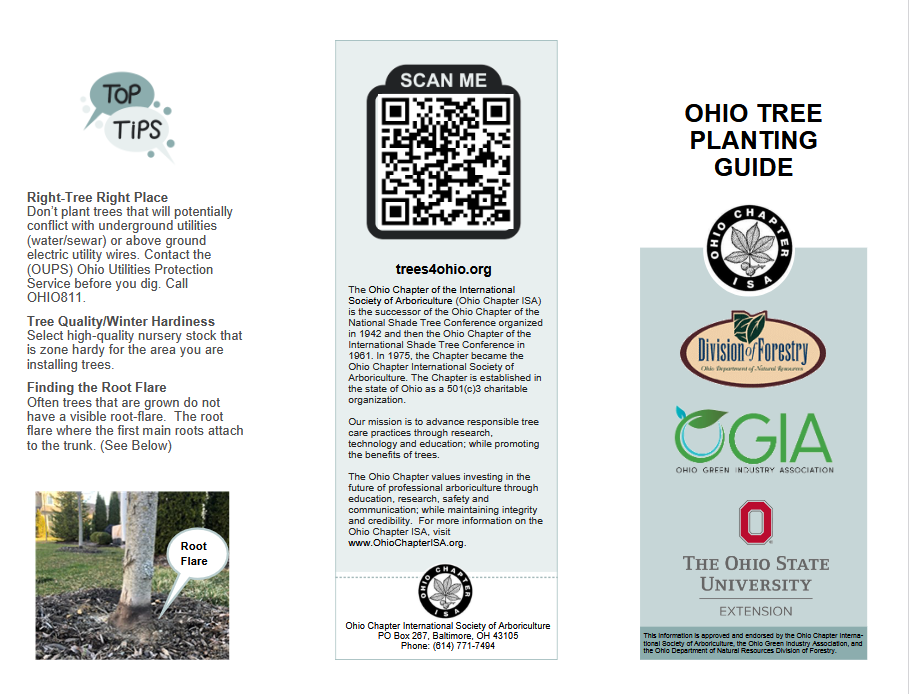
Ohio Tree Planting Guide
APR 3, 2025

As temperatures warm, Spotted Lanternfly (Lycorma delicatula) (SLF) eggs laid last fall will begin to hatch later this spring. The National Phenology Network is forecasting SLF egg hatch in...

The horticultural horrors commonly called “mulch volcanoes” and “tree moats” defy explanation. These abominable tree and shrub mulching practices can combine with other stress-related issues ...

Just in time for the upcoming season, Ohio State University Extension's FactSheet, How and Why to Hire an Arborist, has been updated and is posted on the Ohioline website. The updates includ...

As weather warms...and it will - the calendar says it is officially spring - people will hopefully be spending an increasing amount of time outdoors. As they are outside, they may notice som...

The Ohio Department of Agriculture (ODA) in collaboration with the USDA, Animal and Plant Health Inspection Service (APHIS) announced yesterday that a 5.2 square mile area that includes port...

boggs.47@osu.edu Wed, 03/19/2025 - 14:33
Brood XIV (14) of the 17-year periodical cicadas (Magicicada spp.) will appear this spring with high populations over a wide geographical area that in...
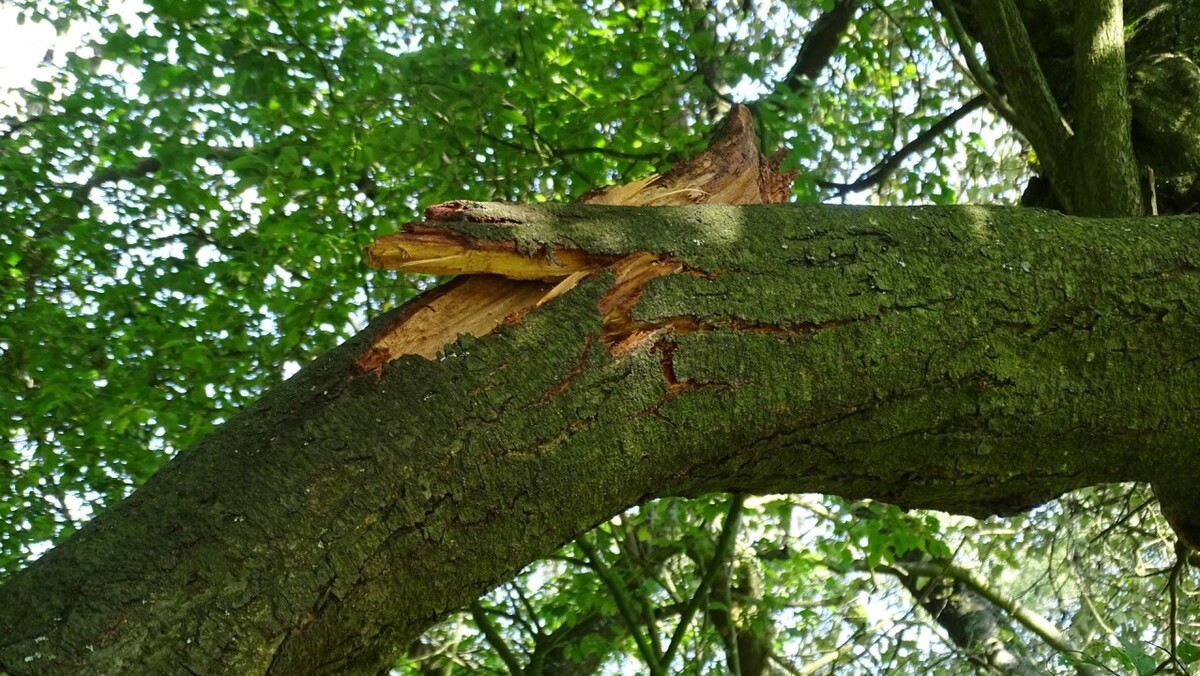
Risks From Trees - a short discussion
MAR 19, 2025